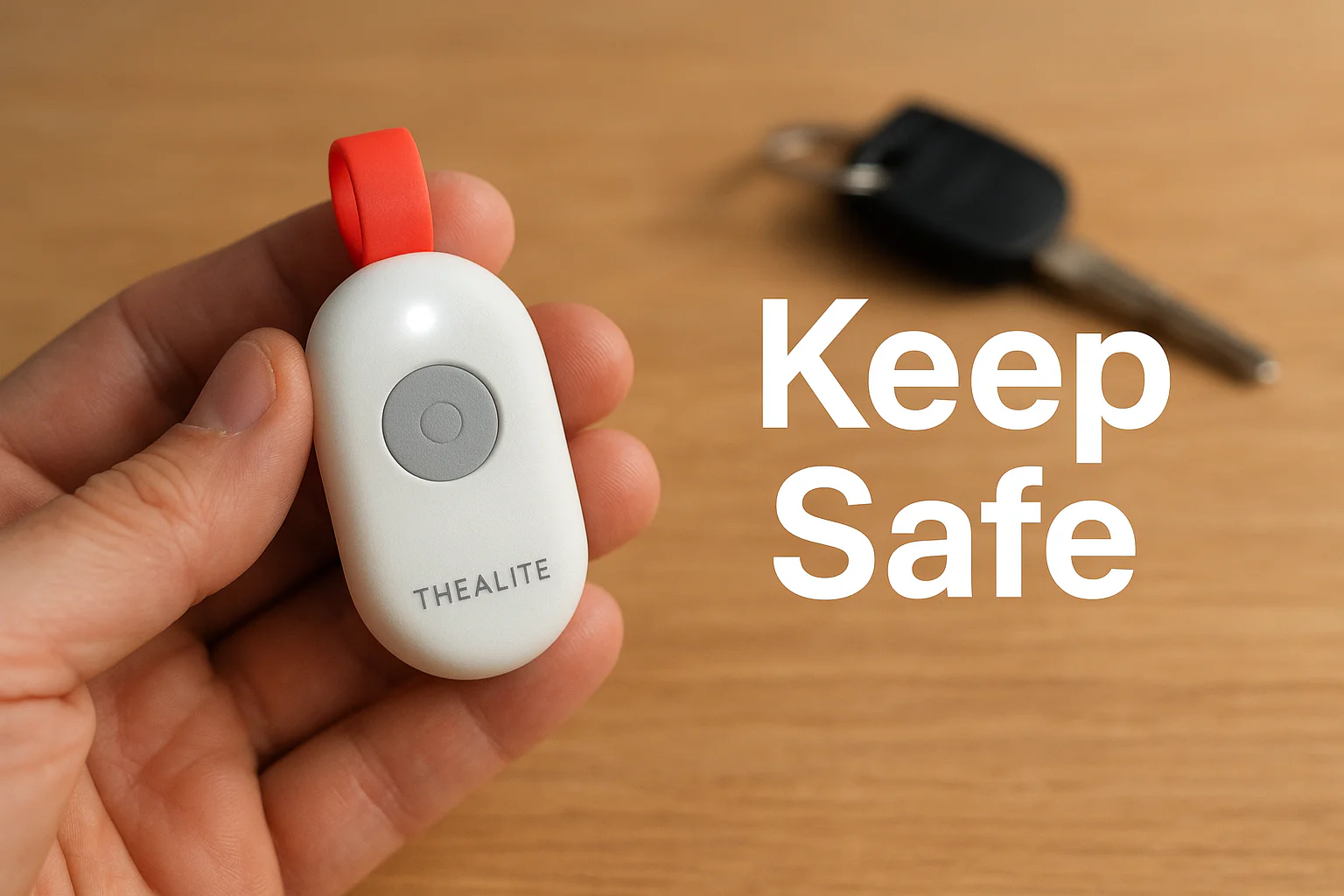
Thealite Keep Safe
Introduction
The world can feel busy and a bit risky at times. A small tool or habit can make a big difference. Thealite keep safe ideas help people feel calmer and act faster in an emergency. In this article I explain what Thealite is, how it works, and how to use it every day. I write in plain words so anyone can follow. You will get clear steps, real examples, and smart tips you can try today. I also share lessons I learned from using small safety gadgets. Read on to learn how thealite keep safe choices can protect you at home, on the move, and for the people you love.
What is Thealite and why it matters
Thealite is a simple safety concept and a family of easy tools. Think of a small light, an app, or a pocket device that helps you get help fast. The goal is clear: reduce panic and make smart action easy. When someone says thealite keep safe, they mean using a trusted, easy-to-use tool to stay visible and reachable. Good safety tools give clear signals, hold location sharing, and work without fuss. I prefer tools that use basic buttons and long battery life. From my own experience, the best tools are those people actually carry every day. If you want real protection, start with things you will use.
How Thealite works — the basics everyone should know
At its heart, Thealite keep safe tools focus on three things: be seen, be heard, and be found. A light or siren makes you visible and draws attention. A one-button alert sends a message to chosen contacts. GPS sharing helps rescuers locate you fast. These steps cut through confusion. The device or app should pair with your phone or work on its own. It should have a clear battery indicator and easy charging. In short, Thealite designs aim for reliability and simplicity. If a safety tool is slow or hard to use, people stop using it. Pick one that keeps these basics strong.
Key features to look for in Thealite products
When choosing a Thealite keep safe tool, look for a few must-have features. First, an easy emergency button that works without tapping many menus. Second, automatic location sharing with trusted contacts. Third, a long-lasting light or siren to attract help. Fourth, waterproofing if you plan to use it outdoors. Fifth, simple charging like USB-C or replaceable batteries. Bonus features include fall detection, scheduled check-ins, and low-battery alerts. I once tested two devices. The one with a clear button and battery life won my trust. Choose features that match your daily routine and environment.
How to use Thealite at home for family safety
At home, place Thealite units in three key spots: main bedroom, kitchen, and a common living area. These spots catch most emergencies, like falls or sudden illness. Teach family members the button, the sound, and how to respond. Create a short plan: who calls emergency services, who checks on the person, and who grabs the kit. A home Thealite device can pair with family phones for instant alerts. For families with kids, show them a practice drill once a month. My family has a small check-in routine. We test the device lights and sounds every two weeks. Simple practice builds calm and clear action.
Using Thealite on the go — travel and daily routes
Carry a small Thealite device or enable the app on your phone when you travel. Clip it to a bag, keychain, or wear it as a pendant. Set trusted contacts who will get alerts if you press the button. For commutes, pick an option with long battery life and fast GPS. For late-night routes, the light and siren add visibility and deterrence. I keep a tiny light on my keyring. It fits with my routine and I forget it less. The best safety habit is one that fits easily into your day.
Thealite for parents and kids — simple rules and routines
Parents want tools that are easy for kids to use. A child-friendly Thealite device should have one big button and no confusing screens. Teach kids to press the button only for real trouble. Pair alerts with a calm voice message that tells parents where the child is. For school trips, consider temporary group check-ins so teachers and parents stay informed. My niece used a small device on a school trip. It gave her parents peace of mind and did not distract her from fun. Set clear rules and practice them so kids learn what to do.
Thealite for seniors and caregivers — peace of mind for loved ones
Seniors and people with health needs benefit a lot from a Thealite keep safe device. Choose a wearable option with fall detection and a loud siren. Caregivers should set up emergency contact lists and test alerts weekly. Place a charging station in a fixed spot so the device is always ready. A simple check-in routine works well: a quick press at breakfast and dinner confirms everything is fine. I helped an older neighbor set this up and it reduced her worry. She liked the clear button and the fact that family would be alerted without her needing a phone.
Maintenance, charging, and reliability tips
A safety device is helpful only when it works. Keep a regular habit for charging and testing Thealite units. Charge devices the same day each week. Check battery indicators and replace batteries on schedule. Test the alert function monthly and confirm that trusted contacts receive messages. Keep firmware and apps updated when safe. Also store backup batteries or a small charger in a visible place. In my home, we keep a charging mat near the front door. That way devices charge while we leave or come home. Small routines keep safety tools ready.
Real-life examples and personal lessons
Stories make safety tips real. Once, on a rainy night, a friend used a pocket light to signal a stopped driver. The light drew attention and help arrived fast. Another time, a caregiver used a device alert to summon family when a fall occurred. These events show how Thealite keep safe tools shorten response time. From my experience, small actions matter: carrying the device, teaching family members, and checking batteries. I also learned that devices must be simple. Complex gadgets often sit unused. Pick tools that match how you live and move.
How to choose the right Thealite for your needs
Start by listing how you will use the device. Is it for home, walking, travel, or care? Next, compare battery life and ease of use. Check if it needs a phone or works alone. Read simple reviews and ask friends who use similar tools. Consider price, warranties, and customer support. Try devices with return policies so you can test them in real life. I recommend testing a device for a month and seeing if it fits your routine. If you forget it often, pick a clip or pendant that you wear. The right choice is the one you will actually use.
Safety checks, privacy, and responsible use
Safety devices must respect your privacy. Confirm who gets your location data and how it is shared. Pick Thealite products that let you control contacts and data sharing. Use strong passwords for accounts. Turn on two-factor authentication if available. Also practice safe use: do not share the emergency button with pranksters, and teach children responsible use. Keep firmware updated for security patches. In my tests, clear privacy controls made me trust the product more. Responsible use protects both safety and privacy.
Thealite keep safe — simple daily habits that amplify protection
A device alone is not enough. Pair Thealite tools with habits. Always have a charged phone and a backup power bank. Share an emergency contact list with family. Create a short plan for common risks, like falls, fire, or getting lost. Practice a 60-second safety drill at home so everyone knows what to do. Use the device during risky tasks like late walks or solo travel. I follow a quick routine: pack keys, device, and phone before leaving. This small habit keeps me prepared and calm.
Frequently Asked Questions (FAQs)
Q1: What exactly does “thealite keep safe” mean?
A: The phrase thealite keep safe means using simple tools and routines to stay safe. It covers small devices like lights, one-button alerts, and apps that share your location. The idea is to make help easy to reach. Good tools are visible, loud, and simple. Pair a device with short safety plans. Teach everyone to use the button and know who will respond. I call this the “three-step safety”: be seen, be heard, be found.
Q2: Can Thealite devices work without a phone?
A: Some Thealite models work on their own. They may use built-in GPS and a cellular connection. Other models pair with your phone. If you want phone-free use, pick standalone devices and confirm they have a cellular plan or SIM card. For phone-paired options, check app reliability and permissions. I prefer a device that can do both. That way you have a backup when your phone battery dies.
Q3: How often should I test and charge my Thealite device?
A: Test alerts at least once a month. Charge devices weekly or follow the maker’s instructions. Replace disposable batteries every few months if you use them often. Also test with the people on your contact list to confirm they receive alerts. Keep a charging spot and a short schedule. Small routines make a big difference in real emergencies.
Q4: Are Thealite devices safe for kids and seniors?
A: Yes, many Thealite designs are made for kids and seniors. Look for one-button operation, fall detection, and loud alerts. Also choose water-resistant models and easy charging. For kids, set clear rules about when to press the button. For seniors, set up trusted contacts and automatic check-ins. A device plus simple practice builds confidence and safety.
Q5: How do I protect my location data with Thealite tools?
A: Protect data by choosing products with clear privacy controls. Limit who can see your location and how long it is stored. Use strong passwords and enable two-factor authentication. Read the privacy policy and look for options to delete data. Keep firmware and apps updated for security. These steps help you stay safe and private.
Q6: What if my Thealite device has a false alarm?
A: False alarms happen. If an alert goes out by mistake, quickly message your trusted contacts to explain. Many apps allow you to cancel an alert within a short window. Teach family to check in rather than panic. Also mark any false alert in the device’s app so you can track repeats. If false alarms are frequent, check the device settings or replace it with a more reliable model
Conclusion
Safety grows from small, steady actions. Thealite keep safe devices and habits help you be ready without fear. Pick a tool that is simple, reliable, and fits your life. Teach family and practice often. Check batteries and privacy settings. Start with one device or habit this week. Tell a friend how you use it. When many people adopt simple safety tools, the whole community becomes safer. If you try a Thealite option, share your experience. Your real-life tips help others choose and use these tools well.