Ultimate Guide to Nahttypen
Step into the world of professional tailoring where precision meets art. Mastering different nahttypen is the secret foundation of every high-fashion garment and durable textile creation. In this comprehensive masterclass, we explore the intricate details that turn simple stitching into a masterpiece of engineering and style.
The Art of the Straight Seam
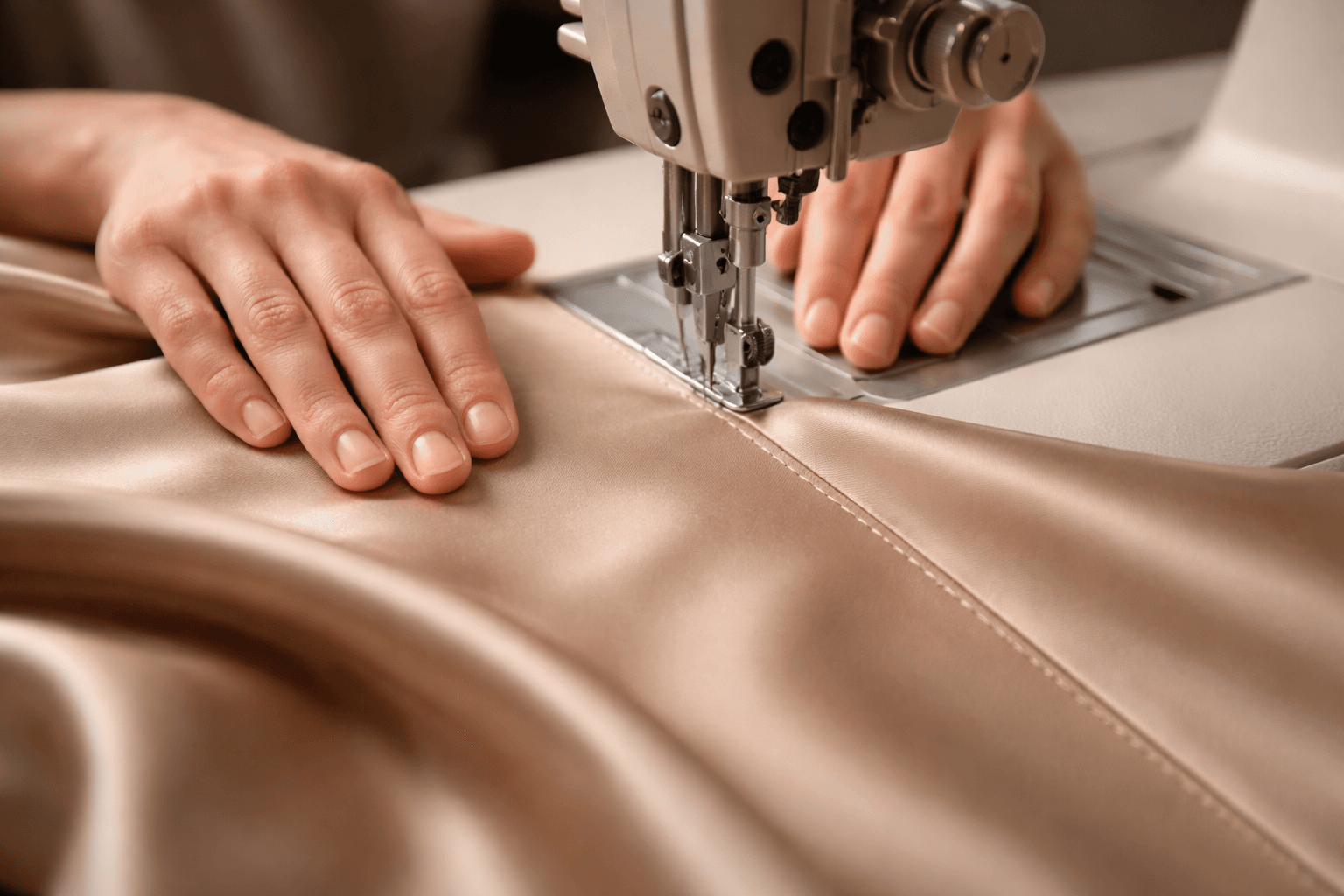
The journey of a thousand miles begins with a single stitch, and in the sewing world, that is the basic straight seam. This essential category of nahttypen provides the structural integrity needed for almost every woven fabric project. When executed with precision, it creates a clean, nearly invisible bond that allows the fabric’s natural beauty to take center stage without distraction.
I have spent countless hours refining the tension and stitch length to ensure that these seams remain puck-free and perfectly flat. For luxury garments, the straight seam must be flawless, as even a tiny deviation can ruin the silhouette of a bespoke suit or a silk blouse. It is the most honest form of stitching, revealing the true skill of the artisan through its simple, unwavering path across the cloth.
Elasticity and Movement: Zigzag Nahttypen
Modern fashion demands movement, and that is where stretch-focused nahttypen become indispensable. If you are working with jersey, spandex, or lycra, a standard stitch will snap under pressure. The zigzag stitch is a miracle of geometry, allowing the thread to expand and contract alongside the fabric fibers, ensuring that your activewear moves as freely as you do during a workout.
Using these stitches requires a deep understanding of machine timing and needle choice. When I work on high-performance athletic gear, I prioritize the zigzag pattern not just for its utility, but for its resilience. It prevents the frustration of popped seams and ensures that the garment maintains its original shape even after hundreds of wear cycles. It is the perfect blend of science and craftsmanship.
| Nahttypen Style | Fabric Match | Durability | Luxury Status |
|---|---|---|---|
| French Seam | Silk & Chiffon | Elite | High-End Luxury |
| Flat-Felled | Denim & Canvas | Maximum | Premium Rugged |
| Overlock | Knits & Jersey | High | Professional Industrial |
| Blind Hem | Wool & Suiting | Discreet | Bespoke Tailored |
The French Seam: The Pinnacle of Elegance
For those who settle for nothing less than perfection, the French seam stands as the king of nahttypen. This technique involves encasing the raw edge of the fabric within the seam itself, creating a finish that is just as beautiful on the inside as it is on the outside. It is the hallmark of couture houses in Paris and luxury boutiques worldwide, offering a scratch-free experience for the wearer.
Executing a French seam requires double the work, but the result is a garment that feels like a second skin. When I design pieces using delicate organza or sheer lace, this is the only method I trust. It provides a weightless strength that protects the fabric from fraying while maintaining a delicate, refined aesthetic. It is a testament to the idea that true luxury is found in the details that no one else sees.
Heavy Duty Performance: Flat-Felled Seams
When the environment gets tough, your nahttypen must be tougher. The flat-felled seam is the industry standard for jeans, work jackets, and upholstery. By interlocking the fabric edges and stitching them flat, you create a bond that is virtually indestructible. This technique provides a bold, visible line of stitching that has become an iconic style element in rugged, Americana-inspired fashion.
In my experience, the key to a successful flat-felled seam is consistency. The parallel lines of stitching must be perfectly spaced to maintain the professional aesthetic. It is a labor-intensive process that demands a heavy-duty needle and high-quality thread, but the peace of mind it offers is priceless. Whether you are climbing a mountain or working in a studio, these seams are built to endure the rigors of life.
Invisible Mastery: The Blind Hem
There is a unique beauty in the things we cannot see. The blind hem is one of those nahttypen that performs its duty in total secrecy. Used primarily for high-end trousers and evening gowns, this stitch barely catches a few fibers on the right side of the fabric, making the hem appear as if it is floating in place. It is the ultimate solution for a clean, uninterrupted visual flow from waist to floor.
Achieving a perfect blind hem is a rite of passage for many tailors. It requires a delicate touch and a perfectly tuned machine. Whenever I finish a pair of formal slacks, I take extra pride in the invisibility of the hem. It shows a level of care and respect for the garment’s design, ensuring that the focus remains on the drape of the fabric rather than the mechanics of the construction.
Essential FAQs for Stitching Success
How do I choose between different nahttypen?
The choice depends entirely on the weight of your fabric and the intended use of the garment. Lightweight, sheer fabrics benefit from enclosed seams like the French seam, while heavy, structural fabrics require the reinforced strength of a flat-felled or double-stitched seam. Always test on a scrap piece first.
Can I use decorative nahttypen for construction?
While decorative stitches look beautiful, they often lack the structural integrity of functional nahttypen. It is best to use a strong straight or zigzag stitch for the actual assembly and then add decorative flourishes on top of the finished seam for aesthetic appeal.
Why is seam finishing so important?
Seam finishing prevents the raw edges of your fabric from unravelling over time. Without proper finishing, even the strongest stitches can fail as the fabric fibers pull apart. Using an overlock or zigzag finish ensures your creations stay intact through years of washing and wearing.
Final Thoughts on Professional Stitching
In the world of creative design, your nahttypen are the silent partners that hold your vision together. By investing the time to learn these diverse techniques, you elevate your work from a simple hobby to a professional craft. Each stitch is an opportunity to express your dedication to quality and your passion for the art of sewing. Keep practicing, keep experimenting, and let your stitches tell a story of excellence.